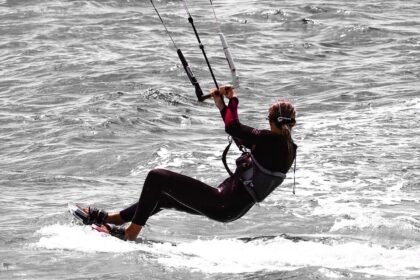


Surfing has long been a sport dominated by male athletes, but in recent years, a transformative wave has emerged, elevating the status of women in the surfing community. Portugal, known for its picturesque coastlines and powerful waves, has become a hotspot for female surfers who are breaking barriers, challenging stereotypes, and carving out their places in this beloved sport.
A Historical Perspective
The roots of surfing in Portugal date back to the early 20th century, but it wasn’t until the late 20th and early 21st centuries that women began to make their mark. Pioneers such as Teresa Almeida and later the likes of Carlotta Araujo started gaining recognition, showcasing not just skill but also the potential for women to shape the future of surfing in the country.
The Growing Community
The rise of female surfers in Portugal can be largely attributed to the increasing visibility of women in competitive events and media representation. Organizations like the Portuguese Surfing Federation have championed women’s surfing, creating events specifically for female athletes and promoting inclusivity. As a result, female participation in surfing has surged, with women of all ages hitting the waters in droves.
Icons of the Sport
Portugal is home to numerous talented female surfers who have gained international acclaim. Athletes such as Mafalda Lopes, who recently took on the World Surfing League circuit, and Carlotta Araujo, who has conquered the biggest waves at spots like Nazaré, are not just competing; they are also inspiring the next generation. Their achievements have provided a much-needed boost to women’s visibility in the sport, encouraging more young girls to take up surfing.
Empowerment Through Surfing
The cultural impact of women’s surfing in Portugal cannot be underestimated. Surfing serves as a platform for empowerment, allowing women to express themselves and build lasting connections with nature and each other. Local surf schools are increasingly seeing mixed-gender classes, breaking down traditional gender norms and fostering a sense of community.
Additionally, initiatives like “Girls Who Surf” in the Algarve are focused on encouraging young women to embrace the sport, providing mentorship and a supportive environment. Such programs not only teach the technical aspects of surfing but also build confidence and leadership skills, empowering girls to pursue their passions, whether in or out of the water.
Media Representation and Influence
The rise of social media has also played a significant role in amplifying the voices of female surfers. Platforms such as Instagram and TikTok have given women an opportunity to share their journeys, techniques, and viewpoints with a global audience. Notable figures like Irina M. and Ana C. have turned their surfing experiences into inspiring content, helping to reshape public perception of women in action sports.
Moreover, surf films and documentaries increasingly spotlight female surfers’ stories, ranging from their struggles to their triumphs. Such narratives resonate strongly, showcasing the resilience and spirit of women in a sport that thrives on adventure and challenge.
The Future Looks Bright
As the momentum continues to grow, the future of women’s surfing in Portugal looks promising. With increased support from sponsors, media, and surf federations, female talent is positioned to shine even brighter on the global stage. Events like the World Surfing Games and the inclusion of surfing in the Olympics provide a unique platform for holistic recognition of women athletes.
Conclusion
The rise of women in surfing in Portugal is a celebration not only of athletic talent but also of empowerment, community, and resilience. As female surfers continue to push boundaries and inspire others, they pave the way for future generations, ensuring that the surf culture remains inclusive and diverse. As we ride this wave of change, it’s clear that the ocean’s call is strong, and women are ready to answer with vigor, talent, and an unyielding spirit.