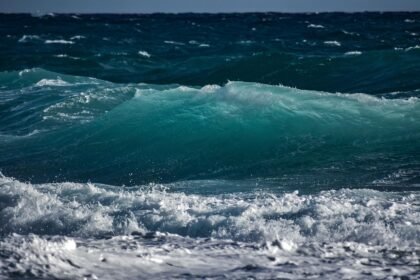



Portugal, with its stunning coastlines, golden beaches, and perfect waves, has carved out a reputation as one of the world’s premier surfing destinations. From the rocky cliffs of the Algarve to the wild surf of Nazaré, the country’s diverse surf spots offer something for everyone from beginners to seasoned pros. But how did this European nation transform into a global surfing mecca?
A Surfing Heritage
Surfing has deep roots in Portuguese culture, although it was largely overshadowed by its more popular European counterparts for decades. It wasn’t until the late 20th century that a wave of surf culture began to take shape. The influx of surfers from the U.S. and Australia inspired local enthusiasts, leading to the establishment of surf schools, communities, and events that would put Portugal on the global surfing map.
The Ideal Geography
Portugal’s unique geography plays a crucial role in its surfability. The Atlantic Ocean churns out consistent swells that vary throughout the year, creating optimal conditions for surfers of all skill levels. Key surfing regions include:
-
Nazaré: Known for its monstrous waves that can reach up to 100 feet during peak winter months, Nazaré has become synonymous with big-wave surfing. The underwater Nazaré Canyon funnels swells towards the coast, making it a hotspot for skilled surfers and adrenaline seekers alike.
-
Ericeira: Designated as a World Surfing Reserve, Ericeira is characterized by its beautiful beaches and a range of surf breaks. From the mellow waves at Foz do Lizandro to the powerful barrels of Ribeira d’Ilhas, this coastal town caters to every surfer’s needs.
-
Algarve: The southern coast of Portugal boasts stunning cliffs and warm waters. Beaches like Arrifana and Amado are popular among surfers for their consistent waves and picturesque scenery, providing a perfect backdrop for an unforgettable surfing experience.
Year-Round Surfing Seasons
What sets Portugal apart is its year-round surfing potential. While many surfing destinations are limited by seasons, Portugal benefits from mild winters, making it accessible for surf lovers all year long. Each season offers unique conditions, ensuring that surfers can find the perfect waves regardless of when they visit.
Rising Global Awareness
The early 2000s saw a surge in global interest in Portugal as a surf destination, due in part to the rise of social media and surf documentaries showcasing the country’s breathtaking coastline. Popular surf events, such as the World Surf League competitions held in Nazaré and Peniche, attracted international attention and solidified Portugal’s status on the world surf circuit.
A Culture of Surfing
Surfing in Portugal transcends mere sport; it’s woven into the fabric of local culture. Coastal towns are filled with surf shops, schools, and vibrant communities where surfers come together to celebrate their passion. Festivals, competitions, and gatherings foster a sense of camaraderie among locals and tourists alike. The Portuguese have embraced surfing as part of their identity, promoting a lifestyle that values connection with nature and respect for the ocean.
Environmental Consciousness
The growth of surf tourism in Portugal has also heightened awareness of environmental issues affecting coastlines and marine ecosystems. Local communities and surf organizations are increasingly committed to sustainable practices and ocean conservation, ensuring that the beauty of Portugal’s beaches can be preserved for generations to come.
Conclusion
Riding the waves in Portugal presents an unmatched blend of thrilling surf experiences, breathtaking scenery, and the rich tapestry of local culture. The nation has transformed into a haven for surfers, attracting adventurers from around the globe. As Portugal continues to grow as a surfing mecca, it stands as a testament to the power of nature, community, and the call of the ocean. Whether you’re a seasoned pro or a curious newcomer, the waves of Portugal await, inviting you to ride and explore.