


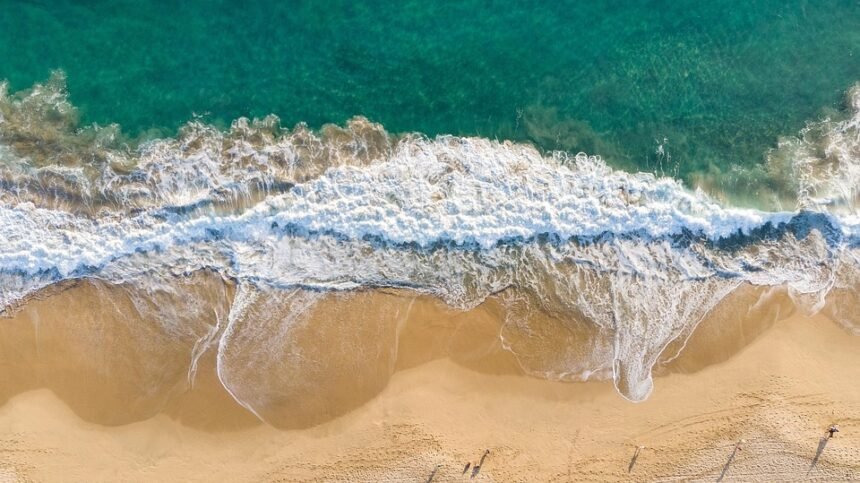
Portugal, with its stunning coastline and consistent waves, has become a top destination for surfers of all levels. From the north to the south, this Iberian gem offers everything from mellow beach breaks to thrilling reef breaks. Whether you’re a seasoned pro or a beginner eager to learn, Portugal’s surf scene has something for everyone. In this article, we’ll explore the must-visit surf spots and essential tips for making the most out of your beach trip.
1. The Surf Spots You Can’t Miss
Nazaré
Famed for its colossal waves, Nazaré has gained global attention, especially after the rise of big wave surfing. During the winter months, waves can reach up to 80 feet, attracting world-class surfers. While this spot is for experienced surfers only, the sight of these towering waves is a must-see. Visit the “Pedra do Guincho” cliff for breathtaking views, and consider taking a boat tour to witness surfers in action.
Ericeira
Designated as a World Surfing Reserve, Ericeira is home to some of Portugal’s best surf breaks. With a variety of waves suitable for all skill levels, spots like Ribeira d’Ilhas and Praia do Norte are a favorite among both locals and tourists. The vibrant surf community, complemented by beachfront bars and surf shops, makes it an ideal destination for surfers looking to connect and unwind.
Peniche
Peniche is known for its consistent surf conditions year-round. The infamous Supertubos beach offers powerful waves with incredible barrels, perfect for advanced surfers. For those looking for gentler options, nearby Medão Grande is excellent for beginners. This region is also home to the World Surf League event, making it a hotbed of activity for surf enthusiasts.
Algarve
The southern region of Algarve boasts picturesque beaches and idyllic surf conditions. Lagos and Sagres both offer a mix of sheltered coves and more exposed beach breaks. Praia do Amado is a popular spot, suitable for all levels, and often hosts surf schools. With its vibrant nightlife and stunning scenery, the Algarve pairs surf culture with relaxation perfectly.
2. Surf Schools and Rentals
For beginners, surf schools can provide the necessary skills and confidence to tackle the waves. Most surf destinations in Portugal have reputable schools that offer lessons for all ages. Some noteworthy schools include:
- Surf at School in Ericeira: Focuses on individual attention and small class sizes.
- Surf House in Sagres: Combines surf lessons with accommodation and social activities.
- Big Wave School in Nazaré: Ideal for those looking to experience the thrill of big wave surfing under expert guidance.
Equipment Rentals
Most surf schools and local surf shops offer rental gear, including surfboards and wetsuits. Expect to pay around €15-€30 for a full day’s rental. Always check the condition of the equipment before hitting the surf.
3. The Culture and Community
Portugal’s surf scene is steeped in a friendly and inclusive culture. Locals are eager to share their knowledge, and many surf spots are relaxed about skill levels. Beach bars and restaurants often host surf events, fostering a strong sense of community. Engage with fellow surfers and locals at spots like:
- Mareta Beach Bar in Sagres: Perfect for sunset drinks after a day on the beach.
- Chela in Ericeira: A lively spot for sampling surf-inspired cuisine.
4. When to Visit
The surf season in Portugal stretches year-round, but the best time to visit depends on your skill level:
- Summer (June to August): Ideal for beginners, as the waves are generally smaller and more forgiving. Expect crowded beaches and lively atmospheres.
- Autumn (September to November): Offers consistent swells and pleasant weather. Great for intermediate surfers looking to improve.
- Winter (December to February): Suitable for advanced surfers, with larger swells and fewer crowds, especially in spots like Nazaré.
- Spring (March to May): A sweet spot for all levels, as conditions start to improve with warmer weather and manageable waves.
5. Travel Tips
- Transportation: Renting a car is recommended, as it provides the flexibility to explore various surf spots along the coast.
- Accommodation: Look for surf hostels or boutique hotels that cater to surfers, often offering packages that include meals and surf lessons.
- Local Etiquette: Respect the local surfers and their breaks. Always follow surf etiquette and be mindful of your surroundings to ensure a positive experience for everyone.
Conclusion
Portugal’s surf scene is an incredible blend of exhilarating waves, vibrant culture, and welcoming communities. Whether you’re riding the big waves at Nazaré or learning to surf in Algarve, this picturesque coastal country offers a surf experience unlike any other. Grab your board, soak in the sun, and get ready for the ultimate beach trip in Portugal!